Choosing Between Flat and Pitched Roofs: Advantages and Considerations for Homeowners May 05, 2026
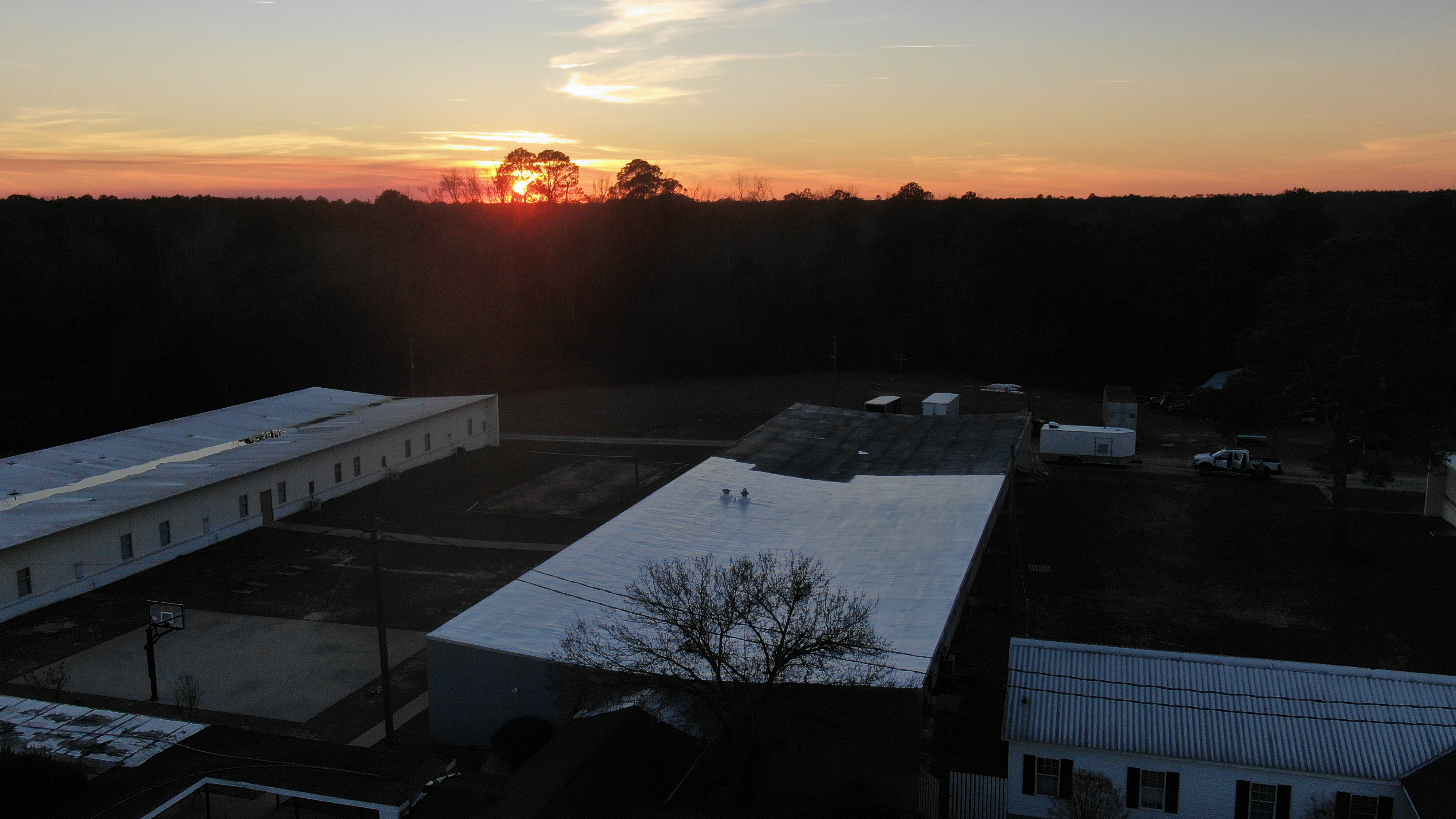
Flat roofs are renowned for their sleek, modern aesthetic. They are notably cost-effective due to their simpler design and reduced materials. Installation and maintenance tend to be less expensive and usually involve quicker turnaround times. This design is particularly appealing in urban areas where maximizing space is crucial. Homeowners appreciate the potential to convert flat roofs into functional spaces, such as rooftop gardens, decks, or solar panel placements.
However, flat roofs do come with considerations. Due to their design, they can be prone to drainage issues, leading to water pooling if not properly maintained. Regular inspections and maintenance are essential to extend the roof's lifespan. In regions with heavy rainfall or snowfall, special attention must be given to ensure the roof's structural integrity and effective drainage.
Pitched roofs, on the other hand, offer classic aesthetics that appeal to many homeowners. Their inclined design naturally aids in water and snow runoff, reducing the likelihood of leaks and structural damage. The attic space created by pitched roofs adds an extra layer of insulation, potentially improving the energy efficiency of your home. This design can also contribute to increased living or storage space under the roof, a valuable asset for any homeowner.
The considerations for pitched roofs include higher initial costs compared to flat roofs. The materials used and the complex construction process can make installation more expensive. Pitched roofs also require more time to install due to their complexity. However, the durability and low maintenance needs of this design often offset the initial costs over time.
Climate plays a critical role in the decision between flat and pitched roofs. In areas with significant rainfall or snow, pitched roofs are generally better suited due to their natural drainage properties. For homes in regions with mild climates, the choice may lean more towards flat roofs, especially if homeowners aim to utilize the space for additional purposes.
Another aspect to consider is the architectural style of your home. Flat roofs align well with modern and contemporary home designs, while pitched roofs complement traditional styles often found in suburban settings. Your personal aesthetic preferences will also guide this decision, as the roof significantly influences your home’s curb appeal.
In conclusion, choosing between flat and pitched roofs depends on various factors including aesthetics, cost, climate, and functionality. At Hart Roofing and Insulation, we understand that each homeowner's needs are unique. Our experts are here to provide tailored advice and high-quality service to ensure your roofing decision enhances both the beauty and functionality of your home. Whatever you choose, let's work together to build a roof that stands the test of time.
/filters:no_upscale()/filters:format(webp)/media/82822dc1-2c5c-4075-b12d-179e77615075.jpeg)